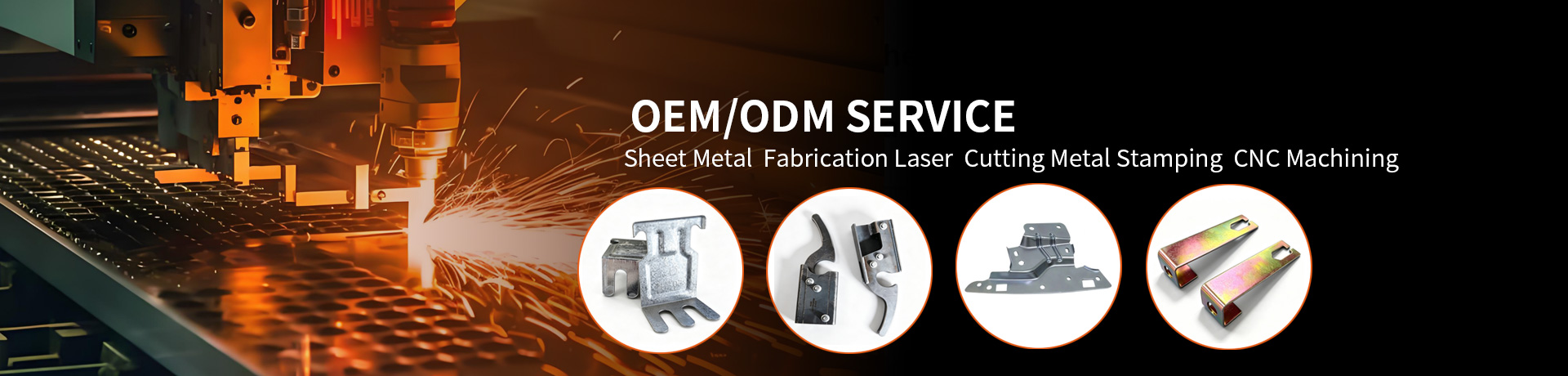
Are progressive dies used for mass metal stamping parts?
Author:Yishun Time:2026-06-17 21:57:37 Number of views:105Second-rate
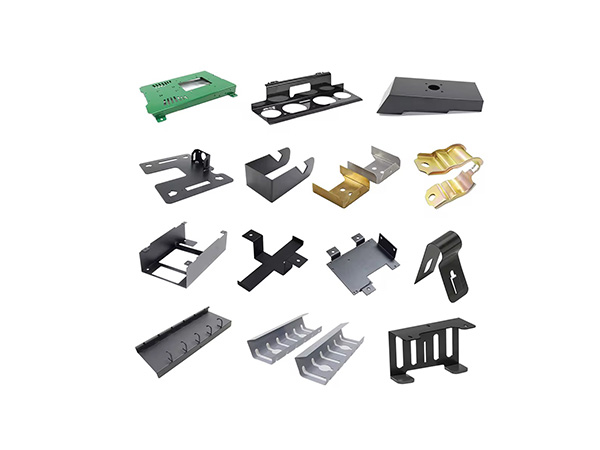
Are progressive dies used for mass metal stamping parts?
Yes, progressive dies are the core tooling specially designed for high-volume mass production of metal stamping components, and they have become the dominant solution for large-batch stamping manufacturing in automotive, electronics, hardware and home appliance industries.
A progressive die consists of multiple sequential working stations fixed on one single die set. As the metal coil strip feeds forward step by step under the stamping press, each station completes an independent forming operation including blanking, punching, bending, flanging, embossing and shallow drawing. After the material passes through all stations, finished stamped parts are automatically separated and dropped off at the final station without manual transferring between processes.
Compared with single-operation dies or transfer dies, progressive dies deliver unparalleled advantages for mass production:
Ultra-high production efficiency
Hundreds to thousands of finished pieces can be produced per minute, which drastically cuts labor costs and shortens production cycles. It eliminates repeated manual feeding and workpiece handling required by separate single dies.
Stable consistent dimensional precision
All forming steps are positioned by unified die guides and material carrier strips. Tolerance fluctuation caused by repeated clamping is greatly reduced, meeting strict precision requirements for mass-produced standard parts.
Lower long-term comprehensive cost
Though the upfront design and manufacturing cost of progressive dies is much higher, the unit production cost drops sharply when the order quantity reaches thousands or hundreds of thousands of pieces. For small-batch trial samples, simple single dies or laser cutting prototypes remain more economical.
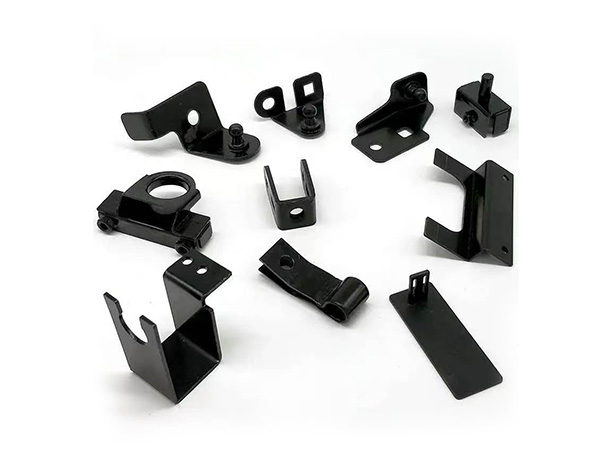
Progressive dies are widely applied to mass production of thin and medium-thickness stamped parts, such as electronic terminals, automotive sheet metal brackets, battery connectors and small hardware accessories. For extra-large, deep-drawn or ultra-heavy thick metal workpieces with complex structures, transfer dies are adopted instead, while progressive dies still occupy the mainstream position in general mass stamping production.
Key limiting factors of progressive dies: If the customer only needs dozens or hundreds of prototype samples, manufacturers will refuse to open full progressive dies due to excessive tooling investment; progressive dies also cannot process ultra-thick steel plates beyond the equipment tonnage limit of matched stamping presses.
1. APA 7th Edition
Wang, L., & Chen, Y. (2023). Application and productivity analysis of progressive dies in high-volume sheet metal stamping. International Journal of Advanced Manufacturing Technology, 126(5), 1987–2003.
2. MLA 9th Edition
Wang, Lin, and Yang Chen. "Application and Productivity Analysis of Progressive Dies in High-Volume Sheet Metal Stamping." International Journal of Advanced Manufacturing Technology, vol. 126, no. 5, 2023, pp. 1987–2003,
3. Chicago 17th Edition
Footnote
Lin Wang and Yang Chen, "Application and Productivity Analysis of Progressive Dies in High-Volume Sheet Metal Stamping," International Journal of Advanced Manufacturing Technology 126, no. 5 (2023): 1987–2003,

- Bazhou Yishun Machinery Parts Co., Ltd
- Contact:Mr Zhao
- Email: ziyangzhao96@gmail.com
- Add: Zhaojiazhuang Village, Bazhou Town, Bazhou City, Langfang City, Hebei Province, China

Copyright © 2026-2027 Bazhou Yishun Machinery Parts Co., Ltd All Rights Reserved