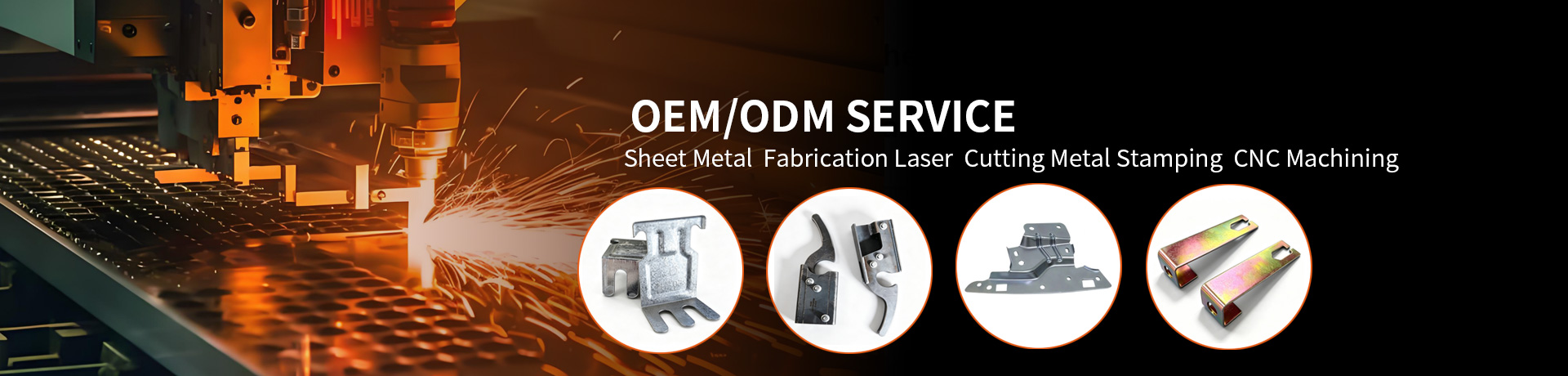
How to Choose the Right Metal Stamping Parts Supplier
Author:yishun Time:2026-09-11 15:00:35 Number of views:117Second-rate

Choosing a metal stamping parts supplier is less about finding the lowest quote and more about de-risking your production. A stamping partner touches your cost, your quality, and your ability to ship; pick wrong and the problems show up as scrap, stopped lines, and audit findings. The suppliers worth partnering with treat quoting as engineering, not estimation. This guide lays out the factors that separate a supplier you can build a program around from one that simply owns a press.
Start With Process Capability
The first question is whether the supplier can make your part by the right method. Stamping is not one process, and the method drives cost and feasibility.
Progressive, Transfer, and Deep Draw
Progressive die stamping is the default for high-volume, smaller parts built station by station. Transfer die stamping suits larger components moved between stations. Deep drawing forms enclosed shapes like cans and housings. A supplier that only owns one method will tend to force your part into it. A capable custom metal stamping partner recommends the method that fits geometry, thickness, and volume, and explains why. That recommendation is a good early signal of engineering maturity.
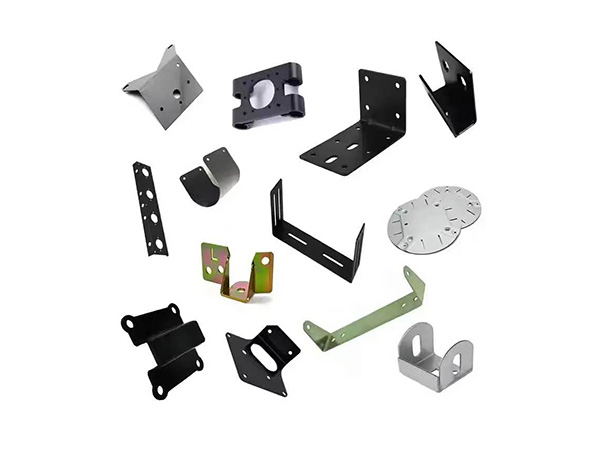
Material Range and Thickness
Confirm the supplier processes the alloy and thickness your design needs. Common stamping materials include cold-rolled and stainless steels, aluminum, and copper alloys, across roughly 0.1 mm to several millimeters. If your program needs a specific temper, coating, or exotic alloy, ask whether they stock it or must source it new, because unfamiliar material adds lead time and qualification risk. A precision stamping manufacturer with a broad, documented material library is easier to qualify than one learning your alloy on your job. Confirming material access early prevents the scenario where a supplier wins the quote but cannot source your alloy at volume, forcing a costly redesign months later.
Tooling and Engineering Support
Tooling is where most stamping programs succeed or fail. Ask how the supplier designs dies, what CAD and simulation they use, and whether they build tooling in-house or subcontract it. In-house tooling usually means faster correction cycles. Suppliers who simulate strip layout and springback before cutting steel reduce the number of die trials, which shortens lead time and protects your launch date. Critically, ask about first-article process and die trial discipline.
What a Good First-Article Process Looks Like
A serious metal stamping supplier runs a First Article Inspection on initial parts, measures every ballooned dimension, and re-verifies after the die reaches operating temperature, because presses and tooling expand slightly in use. They should hand you the measurement report, not just a statement that parts "passed." That document is your evidence the tooling is right before volume begins.
Quality Systems and Tolerances
Match the supplier's certifications to your industry. Automotive programs expect IATF 16949; most others accept ISO 9001 as a baseline. Beyond certificates, ask how they hold tolerance. Routine metal stamping parts hold roughly ±0.05 mm, with tighter capability on critical features using ground punches and monitoring. Request Cpk data on critical characteristics; Cpk of 1.33 is a common minimum, with 1.67 preferred on safety features. A supplier that quotes a tolerance but cannot show capability is a risk.
Volume Flexibility and Lead Time
Your needs will change, so probe flexibility. How fast can they move from prototype to production? What is their typical first-article window, often three to five weeks for a standard progressive die? Can they absorb a forecast swing without crippling your lead time? A metal stamping parts partner with spare press capacity and a predictable tooling queue protects you when demand moves. A partner who shares capacity data and flags risk early lets you plan buffer stock instead of discovering the gap during a shortage. Also ask about secondary operations, machining, plating, or assembly, and whether those are in-house or brokered, because brokered steps add hand-offs and lead time.
Supply Security and Traceability
For production programs, traceability is non-negotiable. Every lot should link to coil heat and die revision so a field issue traces in minutes. Ask whether they tag and record lots systematically. Dual-sourcing the same tooling across two sites is an option some buyers use to remove single-point risk; a transparent stamping supplier will support that rather than resist it. Supply security is the quiet criterion that matters most the day something goes wrong.
Communication and Responsiveness
Engineering collaboration is part of the product. The supplier should review your drawing early and flag features that are expensive to stamp but cheap to machine, or vice versa, so you can adjust the design before tooling. Slow, opaque communication during quoting usually predicts slow, opaque communication during crises. A custom stamping manufacturer that engages on design trade-offs earns the relationship rather than just filling an order. Good suppliers treat your drawing as a starting point for a better, cheaper part, not a fixed specification to be filled mechanically.
What to Include in Your RFQ
A complete request for quotation gets you an accurate quote and a faster cycle. Send the drawing with tolerances, annual and monthly volume, material specification and finish, required certifications, target Cpk on critical features, packaging needs, and any secondary operations. The more precise the input, the less the supplier must assume.
Information That Shortens Quoting
Volume range is the single most influential field, because it decides method and tooling. Material and finish decide sourcing. Tolerance and Cpk decide inspection burden. Include a sample or 3D model where possible, and state whether the program is prototype, production, or both. A metal stamping parts supplier can often return a credible estimate the same week when the package is complete, versus weeks of clarification when it is not.
Cost Structure and Total Value
Price per piece is the most visible number and often the least important. The real cost includes tooling amortization, scrap, inspection, expediting, and the value of avoided downtime. A metal stamping parts supplier with higher piece price but better yield and on-time delivery can be cheaper overall than a low bidder who ships late or rejects lots. Ask for total-value detail, yield expectations, and lead-time reliability, then compare programs on lifecycle cost rather than unit price. That shift in view is what separates a purchasing decision from a supply partnership.
Red Flags to Watch
Be cautious if a supplier cannot explain their method choice, won't share first-article data, has no documented quality system, or quotes a price that seems disconnected from material and tooling reality. Vague answers on traceability and capacity are also warnings. A quote that undercuts the market by a wide margin often hides assumptions about material or tolerance that surface as failures after award. None of these alone is disqualifying, but together they suggest a partner who will cost you more after award than before it.
FAQ
Q: When should I engage a stamping supplier in my design?
A: As early as the drawing stage; early review can remove cost you would otherwise lock into the design and shortens the tooling cycle.
Q: What certifications matter for a stamping supplier?
A: ISO 9001 as a baseline, IATF 16949 for automotive, plus any industry-specific requirements your audit expects.
Q: How do I verify they can hold my tolerance?
A: Ask for Cpk data on comparable features and a first-article inspection report; capability evidence beats a verbal promise.
Q: Is in-house tooling important?
A: It helps, because die corrections happen faster and accountability stays with one partner rather than bouncing between shops.
Conclusion
The right metal stamping parts supplier is defined less by price than by process fit, engineering support, documented quality, volume flexibility, and supply security. Build your shortlist on method capability and certifications, then narrow it on first-article discipline, traceability, and communication. Treat the RFQ as the start of a technical conversation, not a price auction. When you are ready to discuss a program, our team on the metal stamping parts page can review your drawing and propose the right process and tooling path.
References
Groover, M. P. (2020). Fundamentals of Modern Manufacturing (7th ed.). Wiley.
Kalpakjian, S., & Schmid, S. R. (2021). Manufacturing Engineering and Technology (8th ed.). Pearson.
ASM International. (2019). ASM Handbook, Volume 14B: Metalworking: Sheet Forming. ASM International.
Zhang, J., & Liu, D. (2020). Progressive Die Design for Automotive Stamped Parts. Journal of Manufacturing Processes, 56, 1234-1245.

- Bazhou Yishun Machinery Parts Co., Ltd
- Contact:Mr Zhao
- Email: ziyangzhao96@gmail.com
- Add: Zhaojiazhuang Village, Bazhou Town, Bazhou City, Langfang City, Hebei Province, China

Copyright © 2026-2027 Bazhou Yishun Machinery Parts Co., Ltd All Rights Reserved