Galvanized vs cold rolled steel stamping parts difference
Author:Yishun Time:2026-06-17 22:10:54 Number of views:99Second-rate
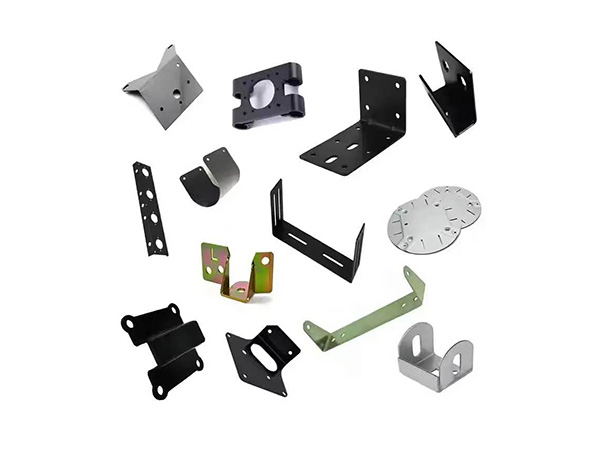
Cold rolled steel (CRS) and galvanized steel are two common base materials for metal stamping, with distinct raw material properties, surface conditions, processing characteristics, service life, cost and applicable scenarios. Their differences are elaborated below from multiple dimensions:
1. Raw Material & Surface Composition
Cold rolled steel stamping parts
Made from cold rolled steel coils produced by rolling hot steel slabs at room temperature without surface zinc coating. The surface is pure iron oxide, prone to rapid oxidation and rust once exposed to air, water or moisture. The base metal surface is smooth grey bare steel with no protective layer.
Galvanized steel stamping parts
Based on cold rolled or hot rolled substrate covered with a uniform zinc protective layer via hot-dip galvanizing or electro-galvanizing. The zinc film forms a physical barrier and sacrificial anode protection. Even if the stamping surface has minor scratches, the zinc will corrode first to prevent the steel substrate from rusting. The surface presents silvery matte or spangled zinc texture.
2. Corrosion & Rust Resistance
Cold rolled steel: Zero natural anti-rust capacity. After stamping, deburring and storage, parts will rust within days without timely painting, phosphating or electroplating. Only suitable for indoor dry environments with complete subsequent surface finishing.
Galvanized steel: Excellent long-term anti-corrosion performance. Electro-galvanized sheets pass 24–72h salt spray test; hot-dip galvanized ones support over 500h salt spray resistance. It can be directly used outdoors or in humid, dusty environments without extra anti-rust treatment, greatly reducing post-processing procedures.
3. Stamping Process Performance
Cold rolled steel advantages in stamping
No soft zinc coating to cause die adhesion, zinc peeling or powder dropping during blanking, bending and deep drawing.
Higher surface hardness stability, fewer mold abrasion issues; suitable for deep drawing, ultra-fine embossing and thin high-precision electronic stampings.
Clean cut edges without residual zinc burrs, easier deburring and subsequent welding.
Galvanized steel stamping limitations
The zinc layer is soft. Severe bending, sharp trimming and deep drawing will lead to zinc flaking, exposing the bare steel base and losing anti-rust effects.
Zinc debris adheres to stamping dies, requiring frequent mold cleaning and maintenance, lowering continuous production efficiency.
Poor welding performance: Zinc vaporizes during welding, generates pores and weak weld joints, so welding structures rarely adopt galvanized stampings.
4. Post Surface Treatment Compatibility
Cold rolled steel: Perfectly compatible with all finishing processes, including phosphating, liquid painting, powder coating, electroplating and black oxide. The bare steel substrate ensures strong coating adhesion without peeling. It is the preferred material if customers need customized colors or high-gloss surface treatment.
Galvanized steel: Restricted coating options. Ordinary paint easily falls off the zinc surface without special primer. Electroplating is not recommended; only specific passivation or top coating can be added on the zinc layer. Most galvanized stampings are delivered without secondary painting.
5. Cost Difference
Raw material: Galvanized steel coil is 15%–30% more expensive than cold rolled steel of the same thickness due to the additional galvanizing process.
Comprehensive production cost: Cold rolled steel saves material cost but increases expenses for phosphating, painting and anti-rust packaging. Galvanized steel has higher material cost yet omits most anti-corrosion post-processing, lowering overall expenditure for outdoor-use parts in mass orders.
6. Typical Application Scenarios
Cold rolled steel stamping parts
Electronic brackets, instrument casings, indoor furniture hardware, deep-drawn shells, welding structural components, auto interior parts requiring painting.
Galvanized steel stamping parts
Outdoor electrical boxes, air conditioner shells, solar brackets, construction sheet metal, auto chassis decorative covers, agricultural machinery outer shells, ventilation duct fittings.
1. GBT National Standard Citation
GB/T 11253-2019, Cold rolled carbon steel sheets and strips[S]. Beijing: China Standards Press, 2019.
2. APA 7th Edition
Feng, R., & Yang, B. (2023). Processing and service performance comparison between cold rolled and galvanized stamped steel components. Construction and Building Materials, 398, 132456.
3. MLA 9th Edition
Feng, Rui, and Bo Yang. "Processing and Service Performance Comparison Between Cold Rolled and Galvanized Stamped Steel Components." Construction and Building Materials, vol. 398, 2023, p. 132456,

- Bazhou Yishun Machinery Parts Co., Ltd
- Contact:Mr Zhao
- Email: ziyangzhao96@gmail.com
- Add: Zhaojiazhuang Village, Bazhou Town, Bazhou City, Langfang City, Hebei Province, China

Copyright © 2026-2027 Bazhou Yishun Machinery Parts Co., Ltd All Rights Reserved