Selecting Reliable Concrete Mixer Truck Parts for Heavy-Duty Use
Author:yishun Time:2026-09-15 17:13:22 Number of views:136Second-rate

A mixer truck only makes money while it is turning and pouring. In heavy-duty service, on recycled-aggregate mixes, long hauls, and tight pour schedules, the difference between a reliable truck and a costly one is decided largely by the concrete mixer truck parts specified and how they are sourced. This guide covers the wear parts that govern uptime, the material choices behind them, and the supplier factors that protect a fleet.
What Heavy-Duty Service Demands
Heavy duty means more abrasion, more load cycles, and less tolerance for unplanned stops. Aggressive mixes with recycled aggregate and high stone content accelerate wear on the drum interior. Long cycle counts, often hundreds per week, compound that wear. The components that fail first are rarely the glamorous ones; they are the abrasion-facing liners, blades, chutes, and the seals that keep hydraulics clean. Specifying for this environment means choosing materials and grades matched to the abuse, not the catalog default. Tracking these in order lets a fleet budget for the next failure instead of being surprised by it.
The Wear Parts That Decide Uptime
Wear parts are consumables by design, and managing them is how fleets avoid breakdowns. The predictable failure order is drum liners and blades first, then chute wear plates, then rings and seals, then hydraulic and water-system items.

Drum Liners and Blades
The mixing drum interior takes the full abrasive load every rotation. Spiral blades and the welded liner wear according to mix aggressiveness; in harsh service, liner thickness can drop several millimeters per year, while washed-stone service wears far slower. A concrete mixer truck parts program that tracks liner thickness by hour meter catches wear before the base shell is exposed. Once the shell shows, the repair jumps from a plate swap to a full drum rebuild, so the liner specification and inspection discipline matter more than the initial price.
Chute Wear Plates
The discharge chute is the most replaced wear item outside the drum. Standard practice uses abrasion-resistant plate such as AR400 or AR500 for the throat and high-impact zones. Ordinary mild steel holes through in a season under slurry abrasion. Pre-formed chute wear plates that a crew can swap in under an hour beat a truck parked for a day, and the harder plate often doubles service life in the worst zones.
Material Grades and Why They Matter
Every concrete mixer truck part is a trade between cost, weight, and service life, and the grade decides the outcome.
Abrasion-Resistant Plate
Drum shells typically use high-strength structural steel several millimeters thick, while chute throats use abrasion-resistant grades. A concrete mixer truck manufacturer grades plate to the expected mix; harder plate resists the sliding and impact that destroy mild steel. Request the actual grade and hardness rather than a generic "wear plate" label, because unverified claims are the fastest route to premature failure.
Structural and Hydraulic Materials
The sub-frame and mounting nodes use structural-grade steel chosen for fatigue resistance, since the loaded drum shifts its center of gravity on every bump. The hydraulic system, pump, motor, cylinders, and valves rely on hardened alloy steels and cast bodies rated for pressure. Seals and hoses must match the fluid and temperature. A concrete mixer truck parts source that publishes material specifications lets a fleet plan replacements instead of reacting to them, which is the foundation of reliability.
Hydraulic and Drive Components
The drum drive is the heart of the truck. Cheap seals, undersized components, and non-rated fittings are the most common emergency failures I see. A reliable mixer truck parts supplier provides correctly rated pump, motor, and cooler components documented to the original specification, so pressure, displacement, and cooling capacity all match. A mismatch anywhere in that circuit shows up as an intermittent drive fault that is hard to diagnose after the fact. Specifying to the documented standard removes that ambiguity. Clean, correctly rated fluid paths also extend the life of the motor and pump, delaying the most expensive replacement on the truck.
Supplier Factors for Heavy Duty
When sourcing concrete mixer truck parts for demanding service, weigh these supplier attributes: documented material grades and certifications, stock of fast-moving wear items, the ability to supply matched kits rather than piecemeal parts, and transparent lead times. A supplier who bundles liners, blades, rings, and seals by unit and hour-meter interval turns chaos into a scheduled program. Equally important is whether they can confirm specifications in writing, because heavy-duty reliability starts with knowing exactly what you are fitting. A supplier who can confirm grades in writing and stock your fast-movers is effectively an extension of your maintenance planning, not just a vendor.
Aligning Parts With Maintenance Data
Fleets running telematics can see drum speed, water use, and idle time, which means maintenance can follow actual wear instead of a calendar guess. A concrete mixer truck parts program built around hour-meter data typically runs longer between changes than a time-based schedule, because parts are replaced when worn, not when convenient. The supplier who can map their catalog to your telemetry, and who stocks your fast-movers, reduces both downtime and purchasing overhead. Reliability is a partnership, not a purchase. When telemetry and parts supply are linked, the truck tells you what it needs before it fails, which is the most efficient maintenance model available.
Cost of Downtime and Life-Cycle Value
A truck stopped on a pour site costs far more than the part that failed. Emergency repair, lost delivery, and rescheduling typically multiply a routine part cost several times over. Specifying harder concrete mixer truck parts and planning their replacement by condition turns that reactive expense into a scheduled, predictable cost. Over a fleet, the difference between a planned plate swap and an emergency drum rebuild is the gap between a profitable operation and a disrupted one, which is why lifecycle value outweighs unit price for heavy-duty service.
What to Specify in Your RFQ
To get the right heavy-duty parts, send the truck model and drum capacity, the mix types and aggregate characteristics, current wear-part grades in use, target service life or cycle count, and the replacement interval you want to plan around. Note any known failure modes you are trying to eliminate. Suppliers who receive this context can move beyond like-for-like replacement toward upgrades that solve the root cause of wear. A mixer truck parts supplier with this information can recommend grade upgrades, such as a harder plate in the chute throat, that pay back within the first season rather than quoting a like-for-like replacement that repeats the problem.
FAQ
Q: Which concrete mixer truck parts wear out fastest?
A: Drum liners and blades in harsh mixes, followed by chute wear plates; these should be tracked by hour meter rather than calendar.
Q: Is harder plate always better for chutes?
A: In the throat and high-impact zones yes; a harder grade like AR500 often doubles life and lowers true cost per delivered cubic meter.
Q: Why specify material grade in writing?
A: Unverified "wear plate" claims lead to premature failure; a documented grade lets you plan life and compare suppliers objectively.
Q: Should wear parts come as a kit or individually?
A: Kits matched to a service interval reduce downtime and administration, because the crew replaces related items in one planned stop.
Conclusion
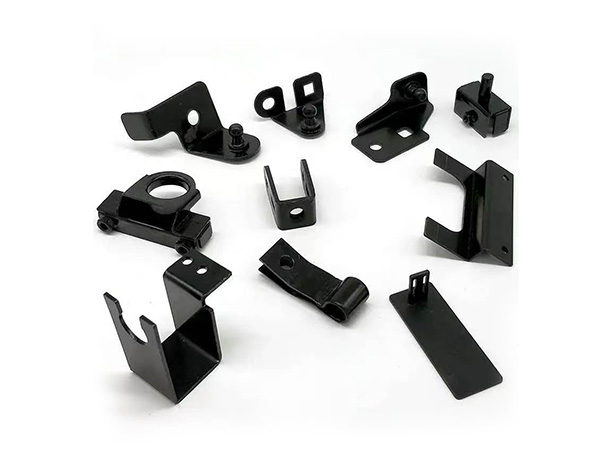
Reliable concrete mixer truck parts for heavy-duty use are a specification decision, not a lucky purchase. Match abrasion-resistant grades to the mix, document the structural and hydraulic materials, manage wear parts by actual condition, and choose a concrete mixer truck parts supplier who confirms specs and supports a planned replacement program. The payoff is fewer breakdowns, lower cost per cubic meter, and trucks that stay on the road. To review grades and wear packages for your fleet, start on our metal stamping parts page and share your service profile with our team.
References
ASTM A656/A656M-21. (2021). Standard Specification for Hot-Rolled Structural Steel, High-Strength Low-Alloy. ASTM International.
ASTM G65. (2021). Standard Test Method for Measuring Abrasion Using the Dry Sand/Rubber Wheel Apparatus. ASTM International.
ACI 304R-00. (2021). Guide for Measuring, Mixing, Transporting, and Placing Concrete. American Concrete Institute.
Huang, Y., & Wang, H. (2019). Wear Mechanisms of Mixer Truck Drums Under Abrasive Concrete Conditions. Construction and Building Materials, 215, 654-662.

- Bazhou Yishun Machinery Parts Co., Ltd
- Contact:Mr Zhao
- Email: ziyangzhao96@gmail.com
- Add: Zhaojiazhuang Village, Bazhou Town, Bazhou City, Langfang City, Hebei Province, China

Copyright © 2026-2027 Bazhou Yishun Machinery Parts Co., Ltd All Rights Reserved