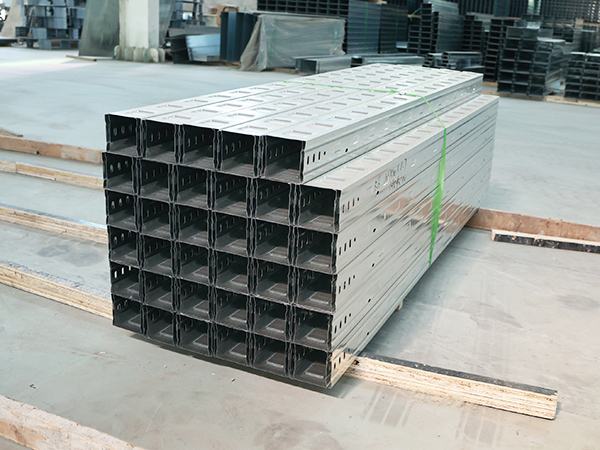
Are cable tray brackets metal stamping parts?
Author:Yishun Time:2026-06-17 22:34:35 Number of views:51Second-rate
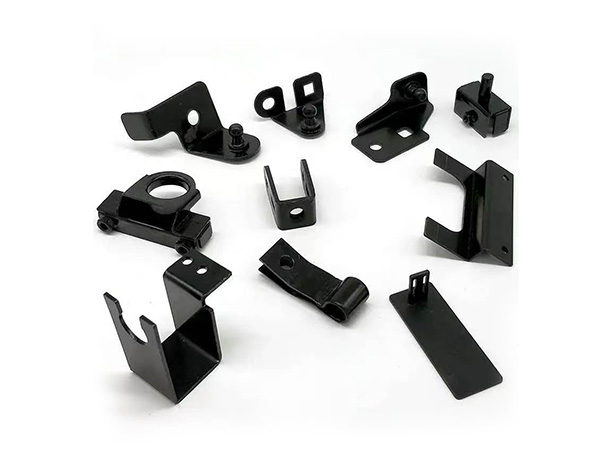
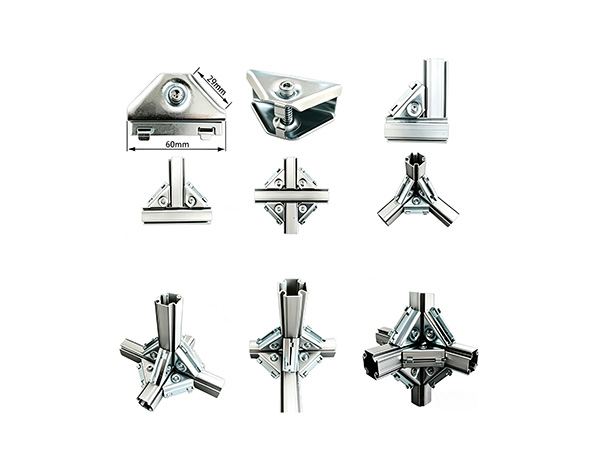
the vast majority of cable tray fixing brackets are manufactured metal stamping parts, which are mass-produced through standard stamping processes including blanking, punching, bending, flanging and rib reinforcement. Only a small number of heavy-load special supports adopt cast or laser-cut welded structures, while conventional indoor and outdoor cable tray brackets rely entirely on cold stamping for mass manufacturing.
1. Main raw materials for stamped cable tray brackets
Galvanized cold rolled steel (SPGC): Most common for indoor power distribution cable trays, with built-in anti-rust zinc coating after stamping
Hot-dip galvanized steel stampings: For outdoor, chemical plant and coastal humid environments with high corrosion requirements
Stainless steel 304/316L stampings: Used in food factories, sewage workshops and marine engineering cable support systems
Aluminum alloy stamped brackets: Lightweight type for data center server cable trays
2. Standard stamping processes for cable tray brackets
Blanking: Cut the overall outline of the bracket from metal coil strips
Punching: Stamp mounting holes, wall fixing holes and cable tray locking holes
Multi-angle bending: Form L-type, Z-type, three-dimensional U-shaped support structures
Embossing reinforcing ribs: Stamp convex ribs on thin plates to improve rigidity without thickening raw materials
Flanging: Turn over hole edges to increase assembly screw locking strength and reduce burrs
High-volume orders adopt progressive stamping dies to complete all forming steps in one automated production line, greatly improving consistency and lowering unit cost compared with cutting and welding.
3. Common stamped cable tray bracket types
L-wall mounted single-side brackets
Z-type suspended overhead brackets
U-shaped double-sided load-bearing supports
Clamp-type cable tray fixing clips
Adjustable layered separation stamping brackets
Anti-seismic secondary stamping supports for building electrical engineering
4. Advantages of using stamping to make cable tray brackets
High dimensional consistency: Unified die forming ensures all brackets match cable tray installation dimensions without assembly deviation
High production efficiency: Continuous coil feeding realizes thousands of finished brackets per hour
Lightweight and high rigidity: Stamped reinforcing ribs avoid heavy thick steel plates, saving material cost
Complete anti-corrosion performance: Post-stamping galvanization, passivation or powder coating covers all surfaces and stamped cut edges
Low defect rate: No welding gaps or weld rust risks compared with welded brackets
5. Exceptional non-stamped cable tray supports
Only heavy-duty ultra-large load brackets for industrial heavy cable laying are not stamped parts:
Cast iron integrated supports
Thick steel plate laser cutting + full welding heavy supports
Extruded aluminum profile machined brackets
1. GBT National Standard Citation
GB/T 11253-2019, Cold rolled carbon steel sheets and strips[S]. Beijing: China Standards Press, 2019.
2. APA 7th Edition
Liu, C., & Wang, F. (2024). Processing technology and application of stamped metal brackets for electrical cable trays. Construction and Building Materials, 401, 133102.
3. MLA 9th Edition
Liu, Chao, and Feng Wang. "Processing Technology and Application of Stamped Metal Brackets for Electrical Cable Trays." Construction and Building Materials, vol. 401, 2024, p. 133102,

- Bazhou Yishun Machinery Parts Co., Ltd
- Contact:Mr Zhao
- Email: ziyangzhao96@gmail.com
- Add: Zhaojiazhuang Village, Bazhou Town, Bazhou City, Langfang City, Hebei Province, China

Copyright © 2026-2027 Bazhou Yishun Machinery Parts Co., Ltd All Rights Reserved