How to guarantee conductivity of copper stamping parts?
Author:Yishun Time:2026-06-17 22:22:35 Number of views:64Second-rate
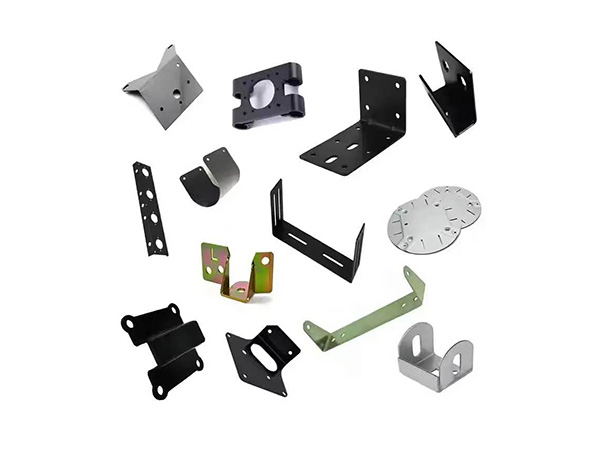
Copper stamping components such as busbars, battery connecting sheets, wiring terminals and conductive shrapnels rely on stable low resistance to transmit large current in new energy vehicles, energy storage and electronic equipment. Conductivity loss is mainly caused by surface oxidation, oil contamination, thick burrs, residual stamping stress, material impurity and poor surface coating. A complete set of raw material control, stamping process optimization, post-treatment and inspection measures can fully stabilize the conductive performance of stamped copper parts.
1. Strict raw material selection as the foundation of high conductivity
Adopt high-purity oxygen-free copper T2 / C11000 with copper content ≥99.90%, avoid low-impurity brass, recycled mixed copper or copper alloy with high zinc, lead and iron content, which will drastically reduce electrical conductivity.
Check material conductivity certificates before production; the conductivity of qualified copper strips should reach ≥90% IACS.
Store copper coils in dry, sealed warehouses with anti-oxidation packaging to prevent pre-production surface tarnish and oxide film formation.
2. Optimize stamping process to avoid resistance-increasing defects
Control stamping burr height strictly below 0.03 mm. Excess burrs form tiny gaps during assembly contact, raising contact resistance and generating heat under heavy current. Adopt fine blanking or magnetic deburring instead of manual rough polishing.
Minimize stamping springback and uneven bending. Warped copper sheets lead to incomplete fitting contact surfaces, resulting in unstable conductivity. Design reinforcing ribs and reasonable blank holder force to ensure flatness of conductive surfaces.
Reduce residual stamping stress. Severe cold deformation will slightly damage copper crystal structure and lower conductivity. For ultra-high-current busbars, add low-temperature stress relief annealing after stamping to restore intrinsic conductive property.
Use clean, low-viscosity special copper stamping oil without sulfur, chloride or heavy metal additives. Ordinary lubricants leave stubborn insulating residues on the surface and block current conduction.
3. Standardized surface finishing to maintain stable conductive performance
(1) Complete surface cleaning to remove insulating pollutants
After stamping and deburring, implement full degreasing, alkaline washing, acid activation and pure water rinsing, then air-dry instantly without water stains. Residual oil, dust and copper oxide must be fully eliminated before plating.
(2) Reasonable conductive plating treatment according to working conditions
Tin plating: For general wiring terminals; thin uniform tin layer prevents copper oxidation and retains good solderability and conductivity.
Silver plating: For high-frequency, large-current and frequent plug-in contacts; silver has higher conductivity than copper and excellent anti-arc performance.
Nickel plating as barrier layer only: Do not use thick nickel coating alone, as nickel has much lower conductivity; nickel is merely an intermediate layer to stop copper diffusion.
Avoid thick insulating paint on conductive contact areas; only coat non-conductive edges for insulation protection.
(3) Passivation control
Conductive surfaces only adopt thin anti-tarnish passivation film. Thick chromate passivation forms an insulating oxide layer that seriously increases resistance, which is forbidden for current-carrying contact faces.
4. Precision size & contact surface control during production
Ensure full contact area: Design stamping structures with large, smooth mating surfaces; avoid narrow point-contact structures.
Control flatness tolerance within ±0.02 mm over 100 mm length to guarantee 90% surface fitting when assembled.
Remove sharp punching edges on contact areas to prevent partial contact and local overheating.
5. Finished product inspection to verify conductive performance
Random sampling DC resistance test: Compare measured resistance with standard value; products with excessive resistance deviation are rejected.
Salt spray test to verify coating anti-oxidation capacity, ensuring long-term stable conductivity in humid environments.
Visual inspection to check for oxidation spots, oil residues, scratches and incomplete plating on conductive surfaces.
Vibration aging test for automotive copper terminals to confirm no contact resistance drift after long-term vibration.
6. Anti-oxidation packaging after delivery
Seal finished copper stamping parts with nitrogen-filled anti-tarnish plastic bags, add desiccant inside packages, and avoid long-term exposure to air during transportation and storage to prevent secondary oxidation before customer assembly.
1. GBT National Standard Citation
GB/T 2040-2017, Copper and copper alloy plates and strips[S]. Beijing: China Standards Press, 2017.
2. APA 7th Edition
Zhou, T., & Chen, G. (2024). Process control methods to maintain high electrical conductivity of stamped copper conductive components. Journal of Materials Processing Technology, 326, 118309.
3. MLA 9th Edition
Zhou, Tao, and Guang Chen. "Process Control Methods to Maintain High Electrical Conductivity of Stamped Copper Conductive Components." Journal of Materials Processing Technology, vol. 326, 2024, p. 118309,

- Bazhou Yishun Machinery Parts Co., Ltd
- Contact:Mr Zhao
- Email: ziyangzhao96@gmail.com
- Add: Zhaojiazhuang Village, Bazhou Town, Bazhou City, Langfang City, Hebei Province, China

Copyright © 2026-2027 Bazhou Yishun Machinery Parts Co., Ltd All Rights Reserved