What is the difference between stamping and casting metal parts?
Author:Yishun Time:2026-06-17 21:49:43 Number of views:193Second-rate
Metal stamping and metal casting are two mainstream metal forming technologies with completely different processing principles, applicable raw materials, product characteristics and industrial scenarios. The core distinction lies in whether the metal material is heated to molten state and the forming logic.
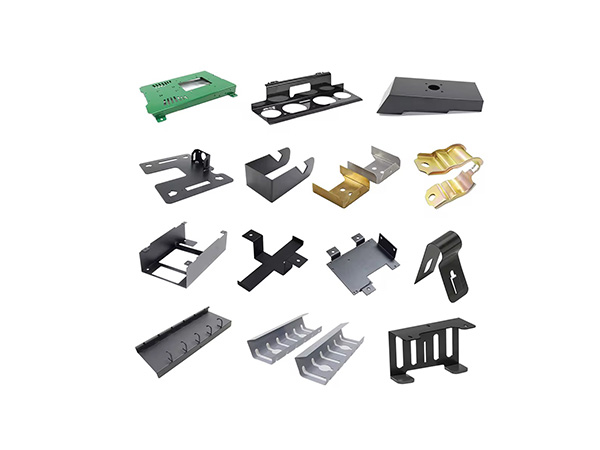
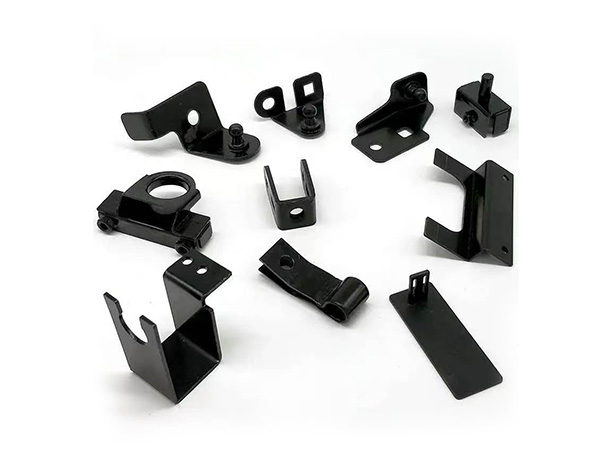
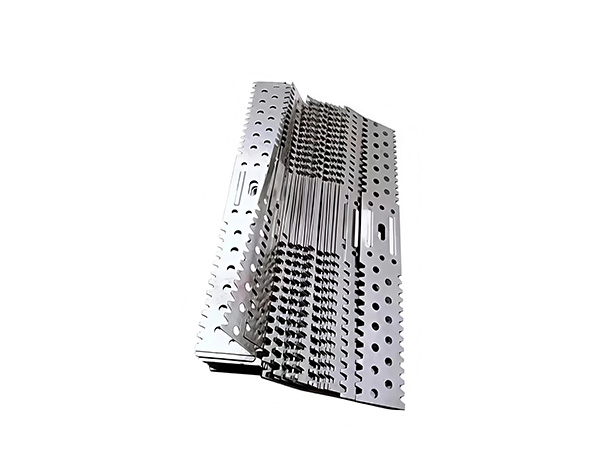
Metal stamping processes finished metal sheets, coils or strips at room temperature with stamping dies and presses. The raw material remains solid throughout blanking, bending, embossing and deep drawing. This method mainly produces thin-wall, flat or bent precision components, such as electronic terminals, auto structural brackets, chassis shells and conductive copper shrapnels. Stamped parts feature high dimensional accuracy, smooth surface without rough pores, stable batch consistency and ultra-high production efficiency for mass orders. The mechanical properties of original metal coils are fully retained, with excellent tensile strength, elasticity and conductivity. However, stamping is limited to thin-plate structures and cannot manufacture thick integrated complex cavity parts.
Metal casting melts metal ingots into liquid at high temperature, then pours molten metal into prefabricated molds and cools it to form integral blanks. Casting can create thick, bulky parts with irregular internal cavities, engine blocks, pump bodies, heavy mechanical bases and valve housings that stamping cannot achieve. Its obvious drawbacks include low precision, surface pores, shrinkage cavities and rough surfaces; secondary machining is always required to reach assembly tolerance. Cast products have unstable internal stress, poorer toughness and conductivity compared with stamped metal sheets, and the production cycle is longer with higher single-piece cost for large-volume orders.
Other practical differences cover material, cost and post-processing. Stamping is suitable for thin copper, aluminum, cold rolled steel, galvanized steel and stainless steel; casting mainly uses cast iron, cast aluminum and cast steel. For lightweight thin hardware, stamping has far better cost performance; for heavy thick structural parts with complex inner cavities, casting is irreplaceable. Surface treatment for stamping only needs simple plating or spraying to get smooth appearance, while castings must go through grinding, polishing and deburring to remove surface defects.
In short, manufacturers select processes according to product structure: thin sheet, high-precision mass hardware adopts stamping; thick, heavy components with complex inner cavities adopt casting.
APA 7th Edition
Zhang, L. (2026). Comparative analysis of metal stamping and casting forming technology. Machinery Manufacturing & Metalworking.
MLA 9th Edition
Zhang, Lei. "Comparative Analysis of Metal Stamping and Casting Forming Technology." Machinery Manufacturing & Metalworking, 2026.
GBT 7714-2015
Zhang Lei. Comparative analysis of metal stamping and casting process [J]. Mechanical manufacturing and metal processing, 2026.

- Bazhou Yishun Machinery Parts Co., Ltd
- Contact:Mr Zhao
- Email: ziyangzhao96@gmail.com
- Add: Zhaojiazhuang Village, Bazhou Town, Bazhou City, Langfang City, Hebei Province, China

Copyright © 2026-2027 Bazhou Yishun Machinery Parts Co., Ltd All Rights Reserved