What materials are used for metal stamping parts?
Author:Yishun Time:2026-06-17 21:48:10 Number of views:68Second-rate
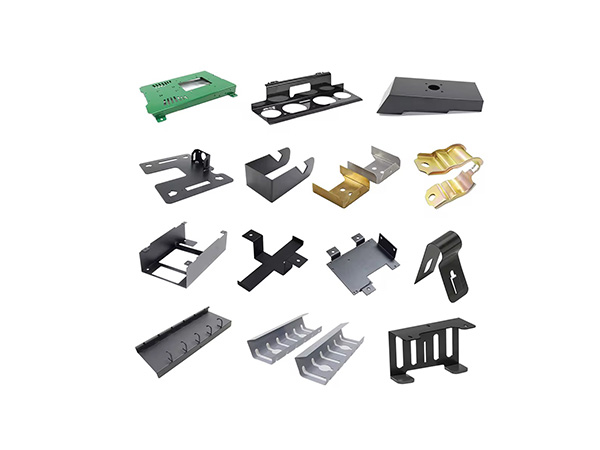
A diverse array of metal sheets, strips and coils can be processed into metal stamping parts via blanking, bending, forming and progressive die stamping. Material selection mainly depends on product functional demands including conductivity, structural strength, lightweight performance, corrosion resistance, elasticity and cost budget. All raw materials are classified into steel series, copper alloy series, aluminum alloy series and special elastic metal materials, each with targeted application scenarios.
First, various steel materials are the most widely adopted for structural and load-bearing stampings. Cold rolled steel features ultra-smooth surface, uniform thickness and good ductility, ideal for general brackets, chassis internal frames and household appliance hardware. Galvanized steel is coated with a zinc protective layer to resist rust, suitable for cabinets, cable tray accessories and indoor structural parts without extra surface treatment. Carbon steel covers low-carbon, medium-carbon and high-carbon grades: low-carbon steel for complex formed components, medium-carbon steel for reinforced supports, and high-carbon spring steel for elastic clips and shrapnels requiring repeated deformation. Stainless steel (SUS301, SUS304, SUS316) delivers outstanding salt spray and oxidation resistance, widely used for outdoor equipment, medical hardware and precision shielding parts.
Second, copper alloys dominate conductive and heat-dissipating stamping components. Pure copper (T2, oxygen-free copper) boasts top electrical and thermal conductivity, the primary material for new energy busbars, battery conductive tabs and heat sink sheets. Brass combines decent conductivity and excellent formability, commonly made into connector terminals, socket contacts and wiring lugs. Phosphor bronze and beryllium copper have stable long-term elasticity, perfect for precision electronic shrapnels that bear frequent plugging and vibration.
Third, aluminum and aluminum alloys represent lightweight stamping materials. 1060 pure aluminum focuses on heat dissipation for power modules; 3003 anti-rust aluminum fits general lightweight housings; 5052 and 6061 high-strength aluminum alloys are popular for new energy vehicle battery trays, automotive lightweight structural parts and communication equipment enclosures. Aluminum stampings reduce overall product weight and possess natural anti-oxidation capacity, with optional anodizing for enhanced hardness and appearance.
Besides mainstream metals, special customized materials are available for unique working conditions, such as nickel silver for decorative conductive hardware and tin plate for anti-corrosion sealing gaskets. Manufacturers will match the most cost-effective metal material based on customers’ drawing requirements, assembly environment, load standards and surface treatment plans, while supporting customized thickness and alloy grades for OEM non-standard stampings.
APA 7th Edition
Zhang, L. (2026). Material classification and selection principles of industrial metal stamping parts. Metal Processing Technology.
MLA 9th Edition
Zhang, Lei. "Material Classification and Selection Principles of Industrial Metal Stamping Parts." Metal Processing Technology, 2026.
GBT 7714-2015
Zhang Lei. Principles of Material Classification and Selection for Industrial Metal Stamping Parts [J]. Metal Processing Technology, 2026.

- Bazhou Yishun Machinery Parts Co., Ltd
- Contact:Mr Zhao
- Email: ziyangzhao96@gmail.com
- Add: Zhaojiazhuang Village, Bazhou Town, Bazhou City, Langfang City, Hebei Province, China

Copyright © 2026-2027 Bazhou Yishun Machinery Parts Co., Ltd All Rights Reserved