What thickness metal can be used for stamping parts?
Author:Yishun Time:2026-06-17 21:52:03 Number of views:169Second-rate
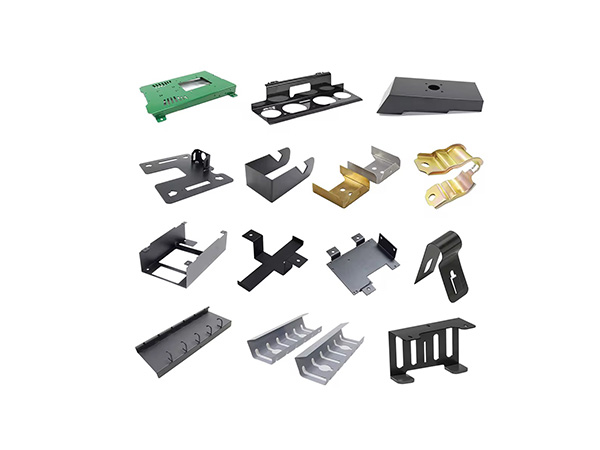
Metal stamping supports an extremely broad thickness spectrum ranging from ultra-thin conductive foil of only 0.05mm up to heavy structural plates over 15mm. The feasible thickness is jointly determined by metal ductility, stamping tonnage, die structure and part forming complexity. Different material families carry distinct applicable thickness limits, and the industry divides thickness into precision thin gauge, universal medium gauge and heavy thick gauge for differentiated production.
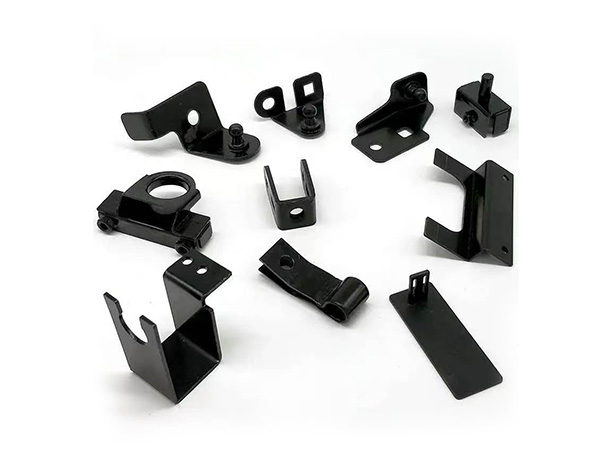
Ultra-thin stamping below 0.3mm mainly applies to soft copper alloys and thin stainless steel foils for electronics. Copper, brass, phosphor bronze and beryllium copper can be stamped from 0.05mm to 5mm on light-duty presses, ideal for tiny contact shrapnels, conductive tabs and electromagnetic shielding sheets in consumer electronics and sensors. Thin stainless steel (SUS301/304) covers 0.3mm–3mm, widely used for miniature precision hardware with anti-corrosion demands; thinner stainless steel easily completes bending and embossing without cracking, while thickness exceeding 3mm requires heavy presses and special die clearance to avoid tearing edges.
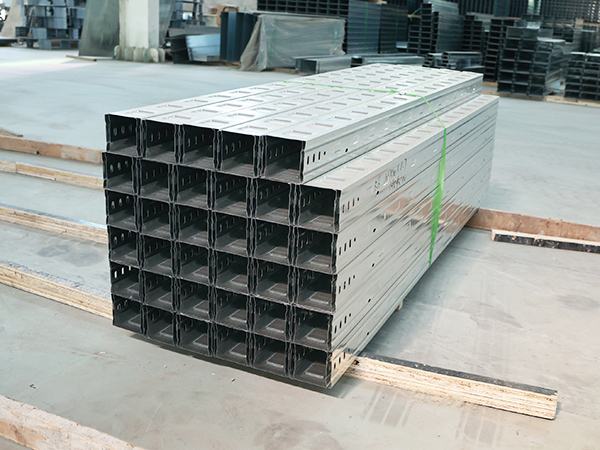
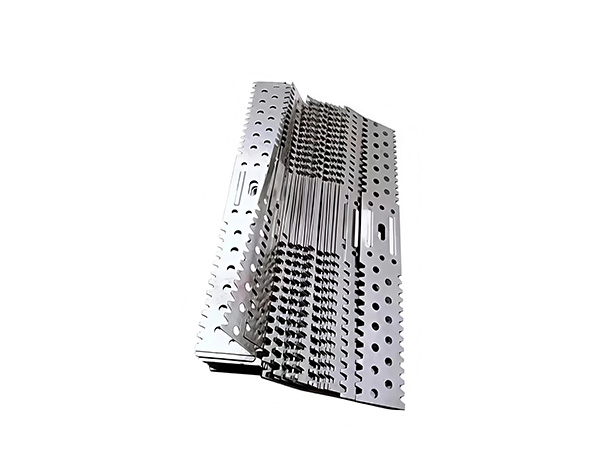
Medium thickness from 0.5mm to 6mm is the most versatile mainstream range for all stamping materials, covering over 80% of industrial orders. Cold rolled steel, galvanized steel and low-carbon steel in 0.5–3mm are standard for chassis shells, equipment brackets, household appliance hardware and corrugated cable tray components, featuring balanced rigidity and easy forming. Aluminum alloys (1060, 3003, 5052) show outstanding malleability here, capable of deep drawing lightweight housings, heat dissipation fins and new energy vehicle small brackets. Medium-thickness carbon steel (0.8–4mm) serves auto interior structural parts, while spring steel between 0.2–1.6mm is dedicated to elastic clips and positioning shrapnels with stable rebound performance.
Heavy-gauge stamping relies on high-tonnage hydraulic presses for thick plates that demand high load-bearing capacity. Carbon steel can reach 12mm maximum thickness for heavy mechanical supports and automotive chassis reinforcement plates; stainless steel heavy stamping limits at 8mm due to high hardness and low ductility. Aluminum alloy boasts the widest heavy thickness window up to 15mm, commonly adopted for EV battery trays and large lightweight structural frames, as soft aluminum avoids severe forming defects even at great thickness. Copper alloys rarely exceed 10mm for stamping, reserved for large high-current busbars in energy storage and power modules.
Several practical constraints control thickness selection. Progressive continuous dies prioritize thin-to-medium sheets under 3mm for stable coil feeding, while single-station compound dies handle thick plates above 6mm. Hard high-carbon steel and thick stainless steel require larger punch-die clearance and lower bending depth to prevent fracture, whereas soft copper and aluminum tolerate complex multi-angle forming across wider thickness ranges. Thickness also directly impacts dimensional tolerance: ultra-thin foils hold ±0.01mm precision, medium sheets reach ±0.05–0.1mm, and thick heavy plates generally maintain ±0.1–0.3mm tolerance.
Manufacturers match raw material thickness according to application scenarios: ultra-thin copper foil for micro electronic terminals, 0.8–2mm galvanized steel for cabinet and cable tray accessories, 1–3mm aluminum for lightweight heat dissipation housings, and 4–10mm high-strength steel for auto structural load-bearing stampings. Custom non-standard thickness can be produced with tailored raw material coils and optimized die design to meet special OEM requirements.
APA 7th Edition
Zhang, L. (2026). Applicable thickness range and processing restrictions of metal stamping materials. Sheet Metal Manufacturing Technology.
MLA 9th Edition
Zhang, Lei. "Applicable Thickness Range and Processing Restrictions of Metal Stamping Materials." Sheet Metal Manufacturing Technology, 2026.
GBT 7714-2015
Zhang Lei. Applicable thickness range and processing limit of metal stamping materials [J]. Sheet Metal Manufacturing Technology, 2026.

- Bazhou Yishun Machinery Parts Co., Ltd
- Contact:Mr Zhao
- Email: ziyangzhao96@gmail.com
- Add: Zhaojiazhuang Village, Bazhou Town, Bazhou City, Langfang City, Hebei Province, China

Copyright © 2026-2027 Bazhou Yishun Machinery Parts Co., Ltd All Rights Reserved