What tolerance can custom metal stamping parts achieve?
Author:Yishun Time:2026-06-17 21:53:01 Number of views:172Second-rate
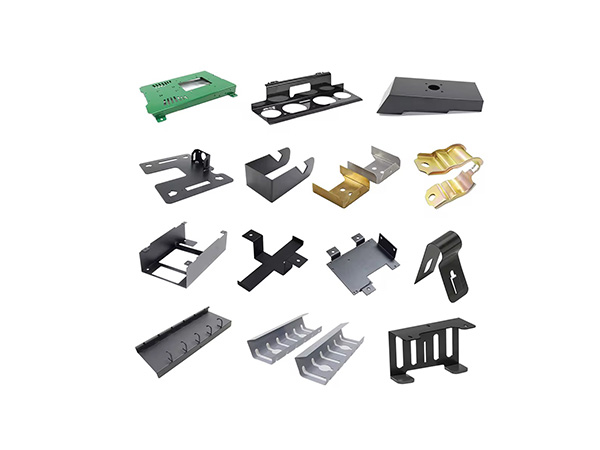
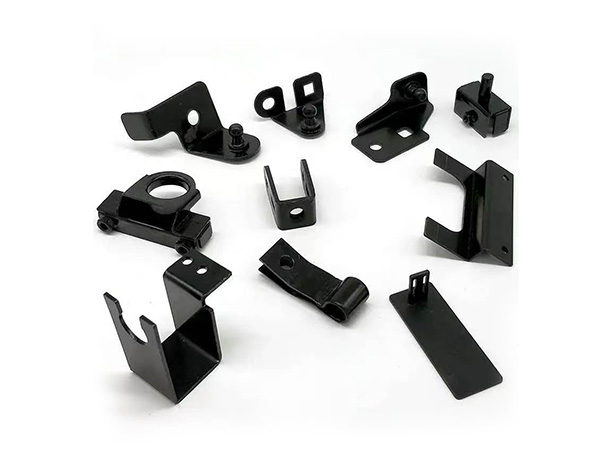
The achievable dimensional tolerance of custom metal stamping parts depends on raw material thickness, stamping process, mold type, metal ductility and product application grade, including general commercial tolerance, precision electronic tolerance and automotive high-standard tolerance. Progressive dies deliver far tighter consistency than single-station molds, while soft metals like copper and aluminum maintain higher precision than hard stainless steel or thick carbon steel.
For blanking and punching dimensions, ultra-precision thin stampings under 0.3 mm (brass, beryllium copper, thin stainless steel for electronic shrapnels and terminals) can reach ±0.005 mm to ±0.02 mm, suitable for micro conductive components in sensors and circuit connectors. Medium-thickness sheets ranging from 0.3 mm to 3 mm, covering cold rolled steel, galvanized steel, regular brass and aluminum alloy, achieve standard precision of ±0.03 mm to ±0.10 mm, which meets the demands of chassis shells, wiring brackets and household appliance hardware. Heavy thick plates over 3 mm, such as automotive structural carbon steel and thick aluminum battery trays, have looser blanking tolerance between ±0.10 mm and ±0.30 mm due to material deformation and large tonnage stamping.
Bending dimensional tolerance has its own independent standard affected by plate thickness and bending angle. Thin sheets below 1 mm control bending tolerance at ±0.05 mm to ±0.15 mm; plates 1–4 mm stay within ±0.15 mm to ±0.40 mm; structural plates thicker than 4 mm reach ±0.40 mm to ±0.80 mm. The angular tolerance of bending can be controlled within ±0.3° for precision electronic parts and ±1° for general structural stampings. Deep drawing parts have stricter inner diameter tolerance, usually ±0.02 mm to ±0.15 mm for thin-wall housings, while the flatness deviation of large stamping panels is 0.02–0.1 mm per 100 mm length based on material rigidity.
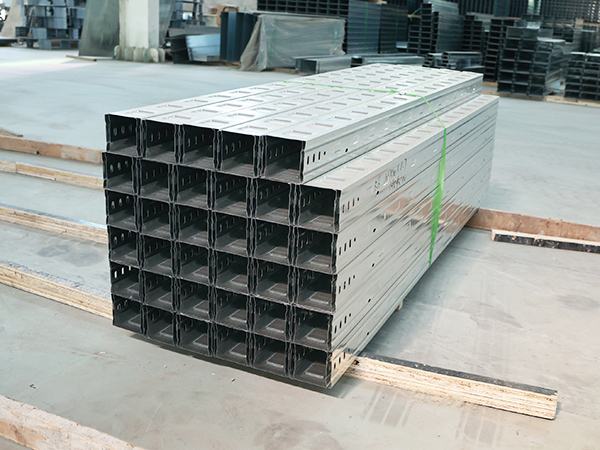
Different industries adopt differentiated tolerance standards. Consumer electronics and new energy conductive copper stampings apply micron-level high precision with tolerance below ±0.05 mm to guarantee stable contact and low resistance. Automotive stamped components follow auto industry specifications: structural brackets keep ±0.1–0.3 mm, while high-voltage connector terminals require ±0.03–0.08 mm. General industrial cabinet, cable tray and non-standard mechanical parts use economical tolerance of ±0.1–0.5 mm to balance production cost and assembly requirements.
Surface flatness, hole position and concentricity are also included in tolerance control. Hole position accuracy of progressive die products can reach ±0.02 mm, while single-station molds only hit ±0.08–0.20 mm. Manufacturers can customize strict or relaxed tolerance according to customer drawings; tighter tolerances demand higher-precision mold processing and full-inspection procedures, which appropriately increase production costs and lead time. We can adjust mold clearance, material leveling and stamping speed to stabilize tolerance performance for all custom OEM metal stampings.
APA 7th Edition
Zhang, L. (2026). Tolerance control standards and influencing factors of custom metal stamping parts. Precision Manufacturing Engineering.
MLA 9th Edition
Zhang, Lei. "Tolerance Control Standards and Influencing Factors of Custom Metal Stamping Parts." Precision Manufacturing Engineering, 2026.
GBT 7714-2015
Zhang Lei. Tolerance control standards and influencing factors of customized metal stamping parts [J]. Precision Manufacturing Engineering, 2026.

- Bazhou Yishun Machinery Parts Co., Ltd
- Contact:Mr Zhao
- Email: ziyangzhao96@gmail.com
- Add: Zhaojiazhuang Village, Bazhou Town, Bazhou City, Langfang City, Hebei Province, China

Copyright © 2026-2027 Bazhou Yishun Machinery Parts Co., Ltd All Rights Reserved