Selecting Suspended Ceiling Keel Accessories: Key Factors
Author:yishun Time:2026-10-02 23:54:43 Number of views:119Second-rate

A suspended ceiling looks simple until a project depends on it performing for decades. The suspended ceiling keel accessories you specify decide whether a grid stays level, meets fire and seismic code, and survives maintenance access without sagging. This article lays out the factors that matter when selecting these components, so the choice is driven by performance and compliance rather than the lowest line item.
What Suspended Ceiling Keel Accessories Do
A suspended ceiling is a system, not a single product. The main runners, cross tees, and perimeter trim hang from the structure on hangers, and a set of ceiling keel accessories holds the whole assembly square, level, and stable. Without the right clips, hanger wires, alignment devices, and expansion provisions, even good main runners drift out of plane and the ceiling fails its function. Understanding the role of each part is the first step before comparing suppliers.
The Components in the System
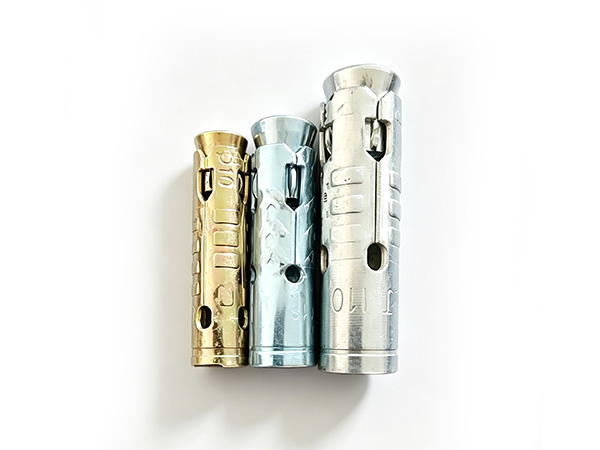
A typical grid includes main runners spaced on a module, cross tees that lock into them, perimeter angles fixed to the wall, and accessories such as splice plates, alignment clips, spring toggles, and seismic restraint clips. Each part carries load and must remain engaged under vibration and temperature change. Specifying the ceiling grid accessories as a matched set, rather than mixing brands, avoids the tolerance mismatches that cause tees to pop out of the runner during service.
Load Capacity and Deflection Limits
Ceiling grids are rated for the load they must carry plus a safety factor. That includes the tile or panel weight, any integrated light fixtures or air diffusers, and the service load from access. Design guidance such as ASTM C635 sets minimum performance expectations for metal suspension systems, and most specifications limit live-load deflection to a fraction of the span so the ceiling reads as flat to the eye. A keel accessories supplier should state the rated load per square meter and the module it applies to, because a system rated for light mineral tile is not the same as one carrying heavy gypsum or integrated services. Confirm how deflection is measured, since a system tested on a short span can behave differently across a long, uninterrupted run.
Material and Corrosion Resistance
The two common materials are galvanized steel and aluminum. The choice affects weight, corrosion resistance, and cost, and it should follow the environment the ceiling will live in.
Galvanized Steel vs Aluminum
Galvanized steel is the default for interior commercial ceilings because it is strong, dimensionally stable, and economical. Aluminum is lighter and naturally corrosion resistant, useful in humid or coastal spaces, but it costs more and requires compatible fixings to avoid galvanic issues. For most suspended ceiling keel accessories, galvanized steel meeting a specified coating class is sufficient, with aluminum reserved for aggressive environments. Confirm the coating specification rather than accepting a generic "galvanized" claim, because coating class drives real corrosion life and the difference shows only after years in service.
Fire Rating and Building Code Compliance
In commercial buildings, the ceiling often contributes to a fire-resistance rating by enclosing the plenum. The grid and its ceiling keel accessories must be listed for the assembly, and installers follow a documented practice such as ASTM E580 for suspension installation. Using unlisted clips or cutting hangers incorrectly can void the rating. Specify accessories from a system that publishes its fire-rated assembly listings, and keep the listing reference available for the inspector at the time of sign-off.
Seismic and Lateral Load Considerations
In seismic zones, the grid needs perimeter restraint and, above certain areas, a full seismic ceiling grid with prescribed wire spacing and perimeter clips. References such as ASCE 7-16 define the lateral load expectations that ceiling systems must accommodate. Selecting suspended ceiling keel accessories with proper seismic clips and spacing is not optional in these regions; it is what keeps the ceiling from collapsing during an event and protects the occupied space below from falling components.
Grid Type and Panel Compatibility
Grid profiles differ by module and reveal width, and they must match the panel or tile being supported. A mismatch between tee depth and tile edge means loose, uneven ceilings that read as defective even when the parts are individually sound.
Exposed vs Concealed Grids
Exposed grids show the tee face and dominate the visual plane, so profile finish and straightness matter to the finished look. Concealed grids hide the tee behind the panel, demanding tighter dimensional control so the panel edge seats cleanly without gaps. When selecting ceiling grid accessories, confirm the profile matches the panel system you already specified, because accessories are profiled to a particular tee, not to a generic industry standard that fits everything.
Acoustic and Service Integration Considerations
Commercial ceilings rarely carry only tile. They host lights, diffusers, sprinklers, and speakers, and the ceiling keel accessories must accommodate these without overloading local tees. Where services are heavy or frequent, specify reinforcement such as dedicated carrier channels or support wires at each fixture, rather than loading the grid directly. Acoustic performance also depends on the ceiling staying sealed at the perimeter and around penetrations; missing or improvised closure accessories let sound and air leak, undermining the rated assembly. Plan service integration into the accessory schedule so the grid is supported where it matters.
Accessories That Affect Installation Quality
Small parts decide whether installation goes smoothly. Alignment clips keep tees square at intersections; splice plates maintain runner straightness across long spans; hanger wires and fixings set the level. On a large project, using a consistent, documented set of suspended ceiling keel accessories reduces the chance a crew improvises a fix that later sags. Specify the accessory kit per area rather than letting each subcontractor source piecemeal, because inconsistent hardware is the usual root cause of uneven ceilings found at handover.
Supplier and Documentation Factors
For a commercial job, the supplier's documentation carries as much weight as the price. Look for stated load ratings, coating specifications, fire-rated assembly listings, and seismic compliance data. A keel accessories supplier who provides cut sheets and installation guidance shortens the approval process and reduces risk at inspection. Confirm lead time and pack quantities too, because a ceiling that stops for missing clips costs more than the clips ever did, and batch consistency across deliveries keeps the grid uniform from one wing of the building to the next.
Total Cost Over the Building Life
The cheapest accessory is not always the lowest cost. A system that sags, pops tees, or fails inspection generates rework and call-backs that dwarf the initial saving. Evaluating suspended ceiling keel accessories on rated performance, documented compliance, and installation consistency protects the ceiling through its service life, which is the cost that matters to the building owner who lives with the result long after the contractor has left.
FAQ
Q: Can I mix ceiling grid accessories from different brands?
A: It is risky, because tees and clips are profiled to a specific system; mixing often causes loose intersections and sag, so specify a matched set.
Q: Do ceiling accessories affect the fire rating?
A: Yes, the assembly listing covers the grid and its fixings; using unlisted accessories or wrong installation can void the rating.
Q: What load should a commercial ceiling grid be rated for?
A: Enough for the panel plus integrated services and access load, with deflection limited per the design specification and referenced standards.
Q: Are seismic clips needed on every project?
A: Only where the local code and seismic zone require them, but where they apply, perimeter and area restraint clips are mandatory for safety.
Conclusion
Selecting suspended ceiling keel accessories is a performance and compliance decision, not a commodity buy. Weigh load rating, material and coating, fire-rated assembly listings, seismic provisions, grid and panel compatibility, and the supplier's documentation. Specifying a matched, documented system protects ceiling straightness, code compliance, and lifecycle cost. For project-specific profiles and listings, reach our engineering team to confirm the right accessory set for your ceiling.
References
ASTM C635/C635M-19. (2019). Standard Specification for Metal Suspension Systems for Acoustical Tile and Lay-in Panel Ceilings. ASTM International.
ASTM E580/E580M-19. (2019). Standard Practice for Installation of Ceiling Suspension Systems for Acoustical Tile and Lay-in Panels. ASTM International.
ASCE/SEI 7-16. (2017). Minimum Design Loads and Associated Criteria for Buildings and Other Structures. American Society of Civil Engineers.
Gypsum Association. (2021). GA-216: Application and Finishing of Gypsum Panel Products. Gypsum Association.

- Bazhou Yishun Machinery Parts Co., Ltd
- Contact:Mr Zhao
- Email: ziyangzhao96@gmail.com
- Add: Zhaojiazhuang Village, Bazhou Town, Bazhou City, Langfang City, Hebei Province, China

Copyright © 2026-2027 Bazhou Yishun Machinery Parts Co., Ltd All Rights Reserved