How Design Impacts Metal Stamping Parts Performance
Author:yishun Time:2026-10-07 12:32:27 Number of views:97Second-rate
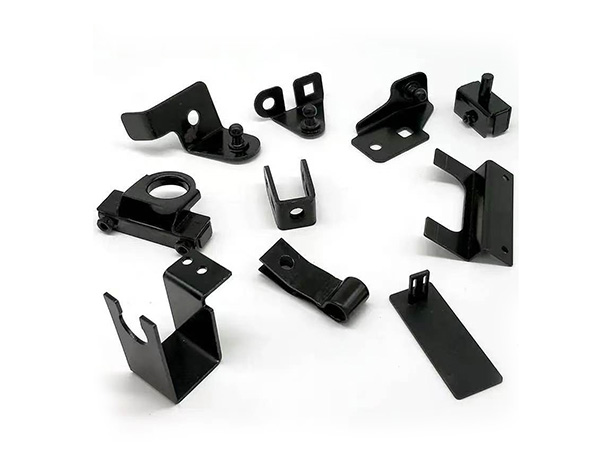
The performance of a metal stamping part is decided long before the press runs. It is decided in the drawing. Geometry, material grade, radii, tolerances, and feature placement set whether a part forms cleanly, holds its shape, resists fatigue, and costs a sensible amount at volume. This article reviews how design choices drive stamped part performance and how to brief a stamping partner so the result matches the requirement.
Why Stamping Part Design Decides Performance
Stamping is a forming process, not a removal process. The tool pushes sheet metal into a shape, and the metal responds according to its thickness, temper, and the forces the geometry concentrates. A design that ignores those realities produces parts with cracks, springback, and out-of-spec dimensions that no inspection can fully sort out later. Designing with the process in mind turns performance and cost into predictable outcomes rather than lucky ones.
The Link Between Geometry and Process
Every bend, hole, and flange in a metal stamping part changes how the strip flows through the die. Sharp corners pull material and thin the wall; closely spaced holes compete for material; deep features demand more tonnage. When the geometry respects how metal moves, the die stays stable and the part repeats. When it does not, the tool fights the material and the result drifts part to part. The drawing is therefore the first and most important process decision.

Material Selection Starts With the Drawing
The material is chosen to match the loads the part sees, but the choice is constrained by how that material forms. Specifying the right alloy and temper early avoids a correction cycle later, when the die is already cut and the part will not hold shape.
Strength Grade and Formability Trade-offs
Higher-strength steels and advanced high-strength steels let a thinner metal stamping part carry the same load, which reduces weight, but they form with more springback and a narrower process window. Mild steel forms easily but may need more material to meet strength. The design must state the function first, then pick the grade that meets it with the least forming difficulty. A supplier who sees the requirement can recommend a grade that balances strength, formability, and cost instead of defaulting to the strongest option, which is often the hardest to stamp.
Radii, Wall Thickness, and Springback
Inside bend radii and wall thickness are the quiet drivers of stamping performance. Too-tight radii crack or thin the material; too-generous radii waste space and add weight. Wall thickness sets the stiffness and the force needed, and it interacts directly with springback, the elastic recovery that makes a formed part spring slightly open after the punch releases. A stamping tolerance plan that ignores springback will be fought at every station. Experienced tooling compensates by over-bending or by tuning the die, but the drawing must leave enough room for that correction, because a part designed to the absolute limit leaves no margin for the process to settle.
Tolerances: What the Process Can Hold
Stamping holds tight tolerances on features defined by the tool, such as hole position and pierced sizes, because those are cut, not formed. Tolerances on formed angles and profiles are wider because they depend on material springback and tool wear. Specifying stamping tolerances that the process cannot hold simply guarantees rework or scrap. The practical approach is to tighten only the features that matter to fit or function, and to relax the rest to what forming naturally achieves. A drawing that calls for micrometer precision on a bent edge, where the process naturally varies by tenths of a millimeter, creates cost with no benefit to the assembly.
Feature Placement and Tool Access
Where features sit decides whether the die can make them and whether the part can be stripped from the tool. Holes near bends shift as the metal forms; features on the wrong side of a draw wall cannot be pierced in the same operation. A metal stamping part design that spaces features for the strip path, and keeps critical holes clear of bend zones, lets the part be made in fewer stations with fewer secondary operations. This is where design for manufacture pays back directly, because every removed station is less tooling, less handling, and less that can go wrong.
Draw Depth and Forming Limits
Deep-drawn features push the material to its forming limit, measured by how much it can stretch and thin before failure. When a draw depth exceeds what the grade allows, the part splits at the punch nose or wrinkles at the flange. The design should keep draw ratios within the material's capability and use intermediate anneals or redraws only when genuinely needed. For a metal stamping part that must be deep, the answer is often a different material or a stepped draw sequence designed in from the start, not a die forced to do more than the metal permits.
Design Choices That Reduce Failure Modes
Most stamped part failures trace back to a design choice: a corner too sharp for the thickness, a hole too close to an edge, a flange too thin to stay flat. Designing against these modes, generous radii, edge distances that respect the material, symmetrical features that balance the flow, prevents the cracks, burrs, and distortion that show up as field returns. A custom metal stamping program that reviews the drawing for these risks before tooling is cut spends a little time up front to avoid a lot of scrap and warranty cost later.
Designing for Inspection and Traceability
A design that matters for safety or function should make the critical features easy to measure and the part easy to identify. Datum schemes that follow a consistent standard, such as ASME Y14.5, let the supplier and the buyer measure the same way, which removes arguments about whether a dimension is in tolerance. For higher-risk metal stamping parts, designing in a marking or traceability feature supports lot control back to the coil and die revision. That traceability is what lets a problem be contained quickly instead of spreading across a production run.
How to Brief a Stamping Partner
To get a part that performs, send more than a shape. Provide the function and loads, the assembly it fits, the environment it sees, the volumes, and which dimensions are critical versus cosmetic. Tell the supplier which features drive fit so they can hold those tight and relax the rest. A good metal stamping parts partner uses that context to recommend material, process, and tolerances that meet the requirement at the right cost, rather than quoting a drawing literally and hoping it works. The brief is where performance is designed in.
FAQ
Q: Why does springback matter in stamped part design?
A: Springback is the elastic recovery after forming that opens bends and shifts profiles, so the die must compensate; designs that ignore it produce out-of-spec angles and poor fit.
Q: Which tolerances can stamping hold most tightly?
A: Pierced holes and cut features hold tight because they are tool-defined, while formed angles and profiles vary with springback and wear and need wider tolerance.
Q: How does material grade affect stamping performance?
A: Stronger grades reduce weight but increase springback and narrow the forming window, so the grade should match the function with the least forming difficulty.
Q: What should I include in a stamping RFQ?
A: Function, loads, assembly fit, environment, volumes, and which dimensions are critical, so the supplier can optimize material, process, and tolerances.
Conclusion
Metal stamping part design is the first and most decisive step in performance. Geometry, material, radii, tolerances, and feature placement decide whether a part forms cleanly, holds dimension, resists failure, and costs the right amount. Design with the process, mark the features that matter, and brief the supplier on function rather than shape alone. To review a drawing for stamping performance, share it with our metal stamping parts team for a process-oriented assessment.
References
Kalpakjian, S., & Schmid, S. R. (2021). Manufacturing Engineering and Technology (8th ed.). Pearson.
Groover, M. P. (2020). Fundamentals of Modern Manufacturing (7th ed.). Wiley.
ASM International. (2019). ASM Handbook, Volume 14B: Metalworking: Sheet Forming. ASM International.
ASME. (2018). ASME Y14.5-2018: Dimensioning and Tolerancing. American Society of Mechanical Engineers.

- Bazhou Yishun Machinery Parts Co., Ltd
- Contact:Mr Zhao
- Email: ziyangzhao96@gmail.com
- Add: Zhaojiazhuang Village, Bazhou Town, Bazhou City, Langfang City, Hebei Province, China

Copyright © 2026-2027 Bazhou Yishun Machinery Parts Co., Ltd All Rights Reserved