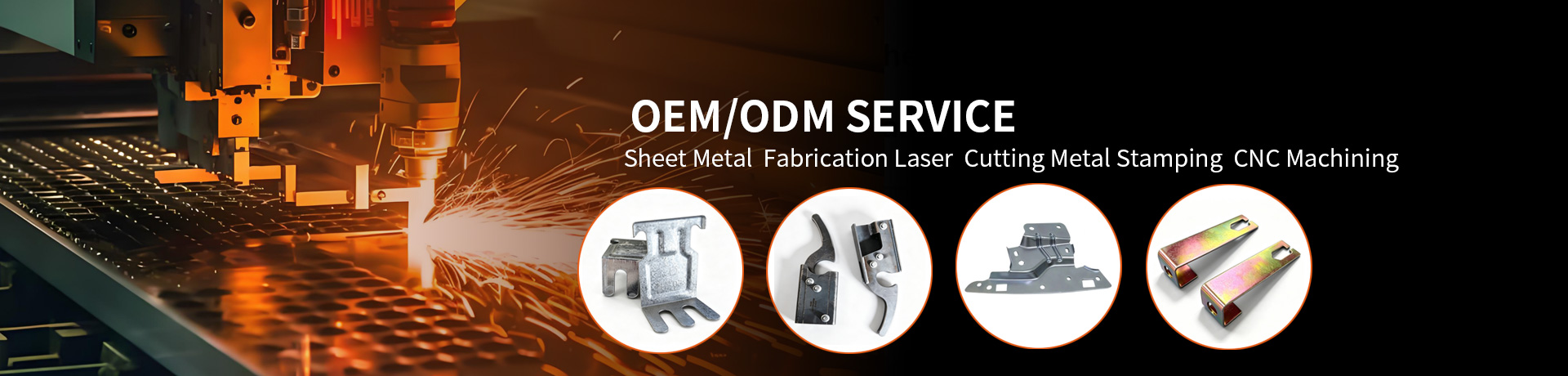
What Are Metal Stamping Parts? A Complete Beginner Guide
Author:yishun Time:2026-07-08 10:54:05 Number of views:68Second-rate
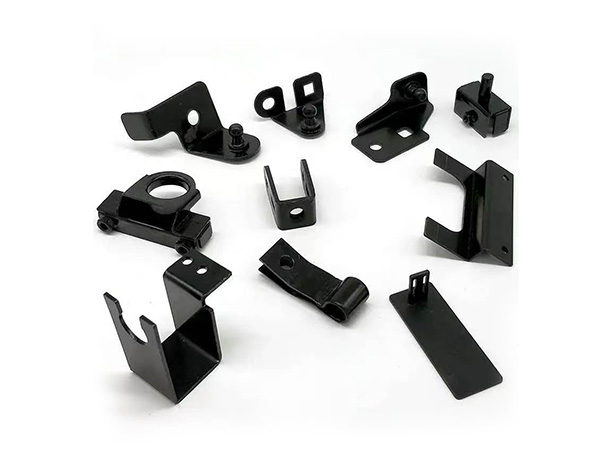
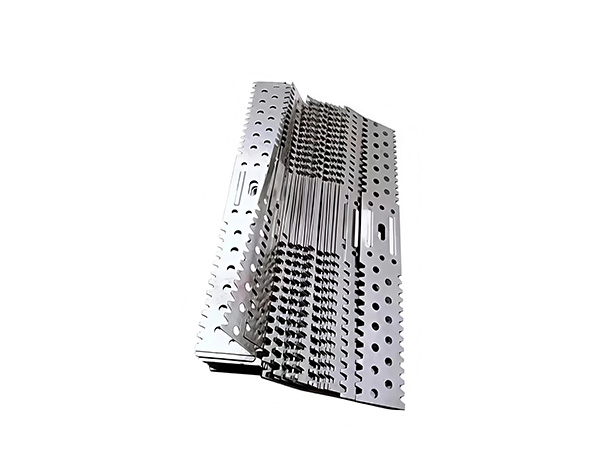
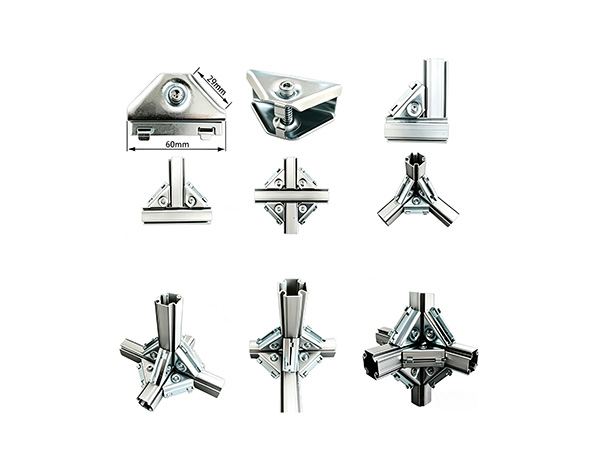
Metal stamping parts are precision-engineered components created by deforming flat metal sheets or coils using specialized dies and machinery. This manufacturing process, known as metal stamping, is fundamental to producing high-volume, cost-effective components across industries including automotive, electronics, aerospace, and medical devices. Understanding the basics of metal stamping parts is essential for procurement professionals, engineers, and designers who source or specify components for industrial applications.
How Metal Stamping Works
The metal stamping process involves feeding metal coils or sheets into a stamping press where a die and punch precisely shape the material. The process can include cutting, bending, drawing, embossing, and coining operations. Modern stamping facilities utilize servo-mechanical and hydraulic presses ranging from 50 tons to over 5,000 tons of pressure capacity to process materials ranging from thin aluminum foil to thick steel plate.
Types of Metal Stamping Operations
Metal stamping parts are produced through several distinct operations. Progressive die stamping feeds material through a series of stations in a single press pass, each performing a different operation. Compound die stamping performs multiple operations in one press stroke at a single station. Deep draw stamping stretches the metal into a cup or box shape, commonly used for enclosures and housings. Four-slide stamping uses multiple tooling angles to create complex three-dimensional shapes from flat stock.
Common Materials for Metal Stamping Parts
The material selection for metal stamping parts depends on the application requirements including strength, corrosion resistance, conductivity, and cost. Aluminum alloys such as 3003 and 5052 offer excellent formability and corrosion resistance. Stainless steel grades including 304 and 316 provide superior corrosion resistance and strength retention at elevated temperatures. Carbon steel such as cold-rolled DC01 and hot-rolled structural grades deliver high strength at economical cost. Copper and brass alloys are selected for electrical and thermal conductivity applications.
Key Applications of Metal Stamping Parts
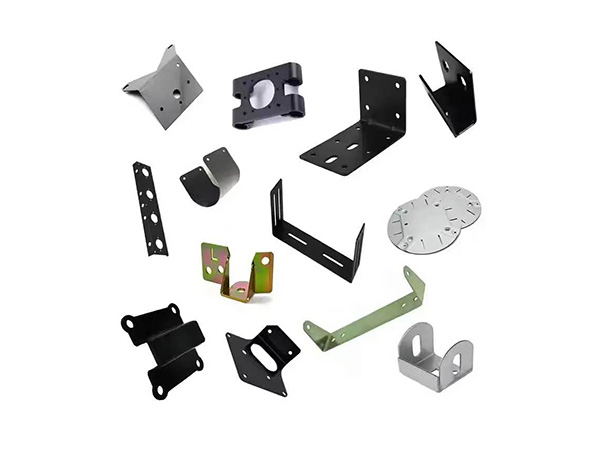
Metal stamping parts serve as critical components in automotive assembly lines, where stamped brackets, clips, and structural reinforcements account for thousands of individual parts per vehicle. In the electronics industry, stamped contacts, lead frames, and shielding components are produced to tolerances as tight as ±0.01mm. Medical device manufacturers rely on stamped components for surgical instruments, diagnostic equipment housings, and implant devices that must meet stringent regulatory standards.
Advantages of Metal Stamping for Industrial Manufacturing
The primary advantages of metal stamping parts manufacturing include exceptional production speed, with automated presses capable of producing thousands of parts per minute. The per-unit cost decreases dramatically at high volumes, making stamping the most economical choice for large production runs. Dimensional consistency is maintained through hardened tool steel dies that can produce millions of parts before requiring replacement. Complex geometries can be achieved in a single press pass, eliminating secondary machining operations that increase cost and lead time.
Quality Standards and Inspection for Metal Stamping Parts
Reputable metal stamping parts manufacturers implement comprehensive quality management systems aligned with ISO 9001 and IATF 16949 automotive quality standards. Dimensional verification is performed using coordinate measuring machines (CMM), optical comparators, and precision gauges. Material certifications including mill test reports and Rockwell/Vickers hardness testing verify raw material conformance. Surface finish inspection using Profilometer instruments ensures roughness values meet specification requirements.
Conclusion
Metal stamping parts represent a cornerstone of modern industrial manufacturing, enabling high-volume production of precision components at scales that support global supply chains. Understanding the fundamentals of stamping operations, material selection, and quality requirements empowers procurement teams and engineers to make informed sourcing decisions. As manufacturing technologies continue to advance, metal stamping parts will remain essential for producing reliable, cost-effective components across every industrial sector.
Frequently Asked Questions
Q: What is the typical lead time for custom metal stamping parts?
A: Lead times typically range from 3 to 6 weeks for tooling fabrication and initial samples, with production runs commencing within 1 to 2 weeks after sample approval.
Q: What is the minimum order quantity for metal stamping parts?
A: Minimum order quantities vary by manufacturer and complexity, typically ranging from 1,000 to 10,000 pieces for standard tooling. High-volume progressive die programs may require 50,000+ piece minimums.
Q: What tolerances can metal stamping parts achieve?
A: Standard tolerances of ±0.05mm to ±0.10mm are routine. Precision stamping operations can achieve tolerances of ±0.01mm for critical features.
Q: Which industries benefit most from metal stamping?
A: Automotive, electronics, appliances, medical devices, and aerospace industries are the largest consumers of stamped metal components due to high-volume requirements.
Q: Can metal stamping parts be post-processed after stamping?
A: Yes, common secondary operations include deburring, plating, heat treating, powder coating, and assembly with other components to meet specific application requirements.
References
Kalpakjian, S., & Schmid, S. R. (2021). Manufacturing Engineering and Technology (8th ed.). Pearson.
ASM International. (2019). ASM Handbook, Volume 14B: Metalworking: Sheet Forming. ASM International.
Zhang, J., & Liu, D. (2020). "Progressive Die Design for Automotive Stamped Parts." Journal of Manufacturing Processes, 56, 1234-1245.
Groover, M. P. (2020). Fundamentals of Modern Manufacturing: Materials, Processes, and Systems (7th ed.). Wiley.
Altan, T., & Tekkalmaz, M. (2021). "Advanced Stamping Technologies for Lightweight Automotive Components." International Journal of Machine Tools & Manufacture, 162, 103714.

- Bazhou Yishun Machinery Parts Co., Ltd
- Contact:Mr Zhao
- Email: ziyangzhao96@gmail.com
- Add: Zhaojiazhuang Village, Bazhou Town, Bazhou City, Langfang City, Hebei Province, China

Copyright © 2026-2027 Bazhou Yishun Machinery Parts Co., Ltd All Rights Reserved